In this guide +
Period underwear is one of the most talked-about menstrual products of recent years, yet it is still widely misunderstood. This is a plain, judgement-free explainer: what it is, how it works, how to use and wash it, and when it may not suit you.
Please note: this article is educational and is not a substitute for professional medical advice. ELORVESSA is not a medical authority.
What period underwear is
Period underwear is reusable, washable underwear built with extra absorbent, leak-resistant layers in the gusset area. It is designed to look and feel much like ordinary underwear while absorbing menstrual flow — either on its own or as backup to another product.
How the layers work
Most period underwear uses a layered gusset, typically three functional layers:
- A moisture-wicking top layer that draws liquid away from the skin so you feel drier.
- An absorbent core that holds the fluid within the fabric.
- A leak-resistant outer layer that helps stop leaks reaching your clothing.
Some styles also feature odour-control or antimicrobial finishes.
Light, moderate and heavy flow
Period underwear comes in different absorbency levels, usually labelled for light, moderate or heavy days. Capacity is often described in "tampons' worth" — but be careful, because there is no industry standard and brands differ widely. Thinx, for example, states its styles "hold from 1 up to 5 regular tampons' worth of flow," with certain flagship styles rated "up to 12 regular tampons' worth (up to 100 mL)"; other brands define "12 tampons' worth" as a much smaller volume. The practical takeaway: read each product's stated absorbency and never assume all "heavy" pairs are equal. Choose the level that matches your actual flow, and do not over-rely on any single pair on your heaviest days.
Does it replace pads, or work as backup?
Both uses are valid. Many people use period underwear as a standalone product on lighter days and as backup to a tampon or menstrual cup on heavier days. A common, sensible way to begin is to try it first on a light day, or as backup, before relying on it fully.
How often to change it
Change based on your flow and the product's absorbency, not a fixed clock — and change promptly once it feels saturated. General menstrual hygiene guidance supports changing regularly: the U.S. Centers for Disease Control and Prevention advises to "change your menstrual products regularly," noting that "trapped moisture provides a breeding ground for bacteria and fungi" and that "wearing a pad or period underwear for too long can lead to a rash or an infection." In Pakistan's heat, and where changing facilities may be limited during the day, plan ahead and carry a spare.
How to wash and dry it
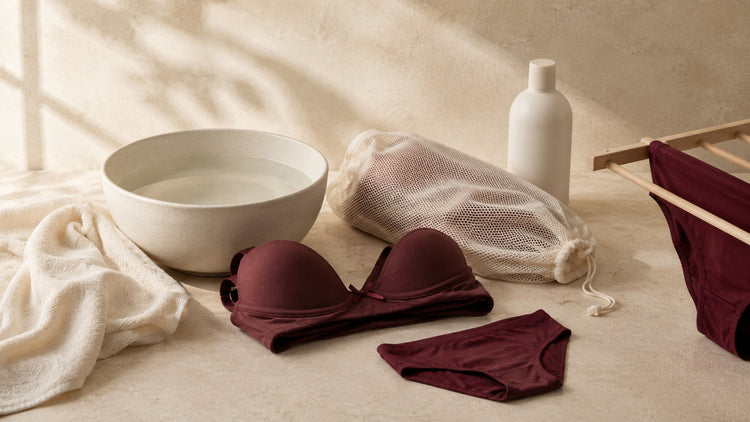
Care preserves both absorbency and hygiene. The widely recommended routine:
- Rinse in cold water soon after use — cold helps lift menstrual blood before it sets (hot water can set stains).
- Wash on a cold, gentle cycle (or by hand) with a mild detergent. A mesh laundry bag protects the fabric in the machine.
- Avoid fabric softener and bleach — both can degrade the absorbent and leak-resistant layers and reduce performance.
- Air-dry, never tumble-dry — heat damages the layers. Cleveland Clinic's Dr Karmon James similarly advises using "a mild, unscented, dye-free detergent," an extra rinse, and that "air-drying is best," adding that most pairs "can typically last between two and five years."
Hygiene and storage
Wash after every wear and let the underwear dry completely before storing it in a clean, dry drawer. Do not store it damp. Following the brand's specific care label always takes priority over general advice.
When period underwear may not be suitable
- On very heavy days without a higher-absorbency style or backup.
- When you cannot rinse/change during a long day away from home.
- If a particular fabric irritates your skin — switch styles or materials.
- A note on safety: Toxic Shock Syndrome (TSS) is a rare but serious condition; the NHS notes it "can happen when using a tampon or menstrual cup, or from an infected wound." It is associated with internal products rather than period underwear — but regardless of product, follow hygiene guidance and seek medical care for symptoms like sudden high fever, rash or feeling very unwell.
If you have unusually heavy bleeding, persistent irritation or any health concern, please consult a qualified healthcare professional.
A note on choosing well
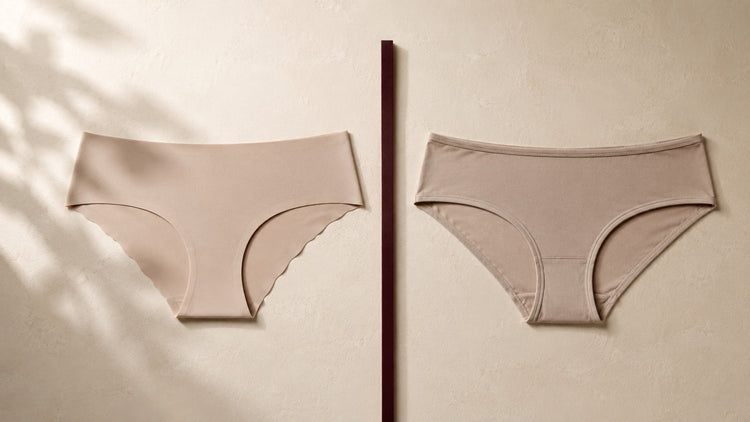
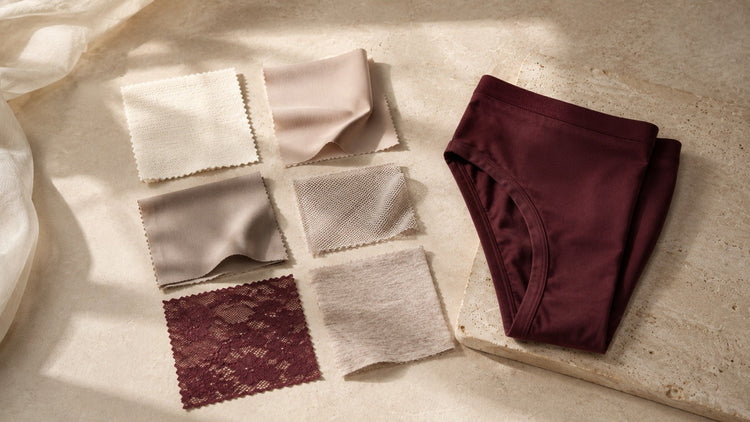
If you are exploring reusable period care, prioritise breathable fabrics (our underwear-fabric guide explains why the gusset matters) and a washing routine you will realistically keep up (see our wash-and-care guide).
Frequently Asked Questions
- How does period underwear work? Layered fabric wicks moisture, absorbs fluid, and resists leaks — reusable after washing.
- Can it fully replace pads or tampons? For some people on lighter days, yes; many use it as backup on heavier days. Choose by flow and absorbency.
- How do I wash it? Rinse cold, wash gentle with mild detergent, no softener or bleach, and air-dry.
- How long does a pair last? With proper care, often a few years — follow the brand's label.
- Is period underwear linked to Toxic Shock Syndrome? TSS is associated with tampons and menstrual cups, not typically period underwear; still, follow hygiene guidance and seek care for warning symptoms.
Conclusion
Period underwear is a practical, reusable option that works by layering — wick, absorb, resist leaks — provided you match absorbency to your flow, change regularly and wash it gently. Used sensibly, it can be a comfortable part of period care.
Next Steps
For a broader buying checklist, read our guide to buying women’s undergarments online in Pakistan. Use this guide as a private reference when comparing period-care options, and always follow the absorbency, use and care instructions supplied with the product you choose.