In this guide +
Bras and underwear are small investments you wear against your skin every day — and they last far longer when washed with a little care. This guide covers the whole routine: washing, drying, storing, how often, and when to replace. In a market where many shoppers pay cash on delivery and want real value, getting more months out of each piece matters.
Hand washing vs machine washing
Hand washing is gentlest and is ideal for bras, especially padded, lace or underwired styles. Fill a basin with cool water and a little mild detergent, swish gently, let it soak for around 15–20 minutes, then rinse well.
Machine washing is fine when done correctly. Fasten all hooks, place items in a mesh laundry bag, use a delicate/gentle cycle with cold water, and wash with similar colours and other light items. Avoid washing bras with heavy items like jeans or towels, which cause friction and snagging.
Water temperature
Use cold or cool water. Heat breaks down elastic and elastane and can distort moulded cups. As one laundry expert told NBC News, "a dryer will heat the elastics in your bra and break them down… this can wear out the support and shrink the cups" — and the same logic applies to hot wash water.
Detergent — mild is the rule
Use a small amount of mild, gentle detergent (a lingerie wash, or even a baby shampoo, works well). Skip strong "brightening" or enzyme-heavy formulas on delicates, and skip fabric softener, which coats fibres, reducing breathability and — on period underwear or activewear fabrics — absorbency.
Why harsh bleach should be avoided
Chlorine bleach is best avoided entirely on intimates. Textile and fabric-care guidance is consistent that chlorine bleach weakens and yellows elastane/spandex fibres — exactly the stretch fibres that give bras and underwear their support and shape. For stains, pre-treat gently with mild detergent instead.
Washing lace, seamless and padded pieces
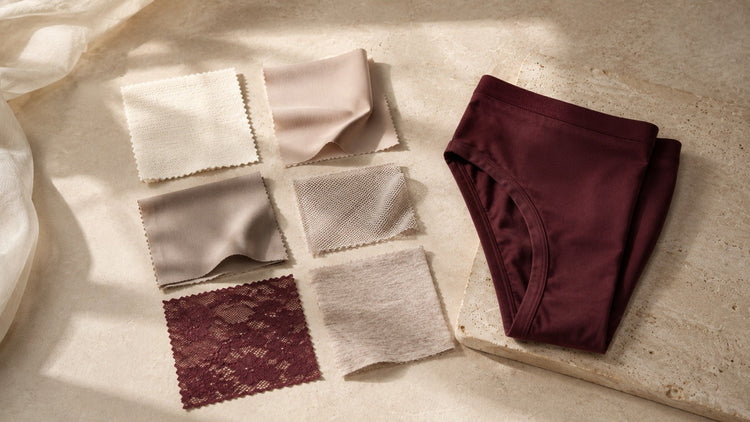
- Lace: hand wash or use a mesh bag; lace snags easily.
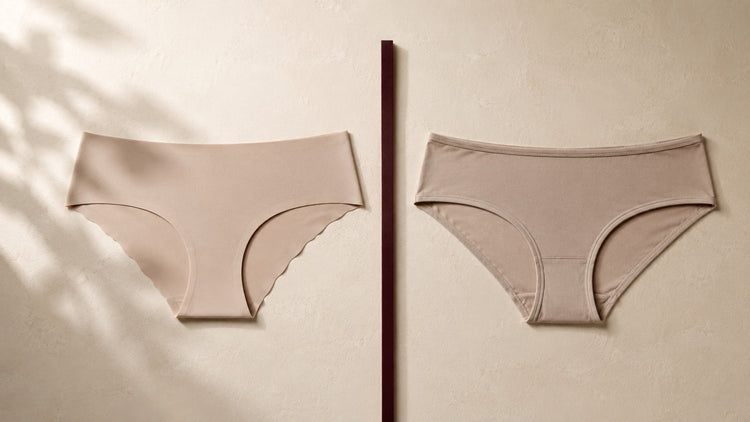
- Seamless: gentle wash, cold water; avoid high heat that can affect bonded edges.
- Padded/moulded cups: never wring or crush; reshape cups by hand after washing and never fold one cup into the other (it creases the foam permanently).
Using a mesh laundry bag
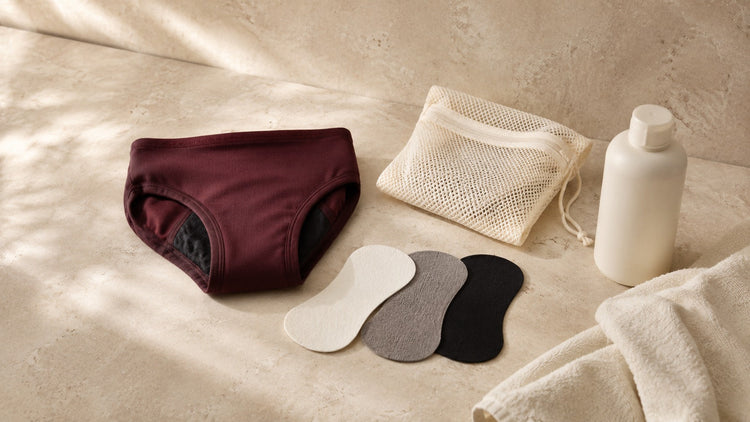
A mesh lingerie bag is the single cheapest way to protect intimates in the machine. It stops hooks snagging, prevents tangling and cushions the garment against friction. Fasten hooks before bagging.
Drying techniques
Air-dry, always. Lay bras flat on a towel or hang them gently (by the centre gore or band, not by the straps, which stretches them). Reshape moulded cups while damp. Dry out of harsh direct sunlight, which can fade and weaken fabric over time.
Why bras should not be wrung or tumble-dried
Wringing twists and warps the cups and band; tumble-drying applies exactly the heat and mechanical stress that destroys elastic and moulded shape. Good Housekeeping's testers note that a dryer's "heat and agitation can damage the bra's elasticity and shape." Press out excess water gently with a towel instead.
Storage
Store bras with cups nested (not folded into each other) so they hold their shape, and keep underwear in a clean, dry drawer. Fasten hooks before storing to prevent snagging. Let everything dry completely first — damp storage encourages odour.
How often to wash
Fabric construction also matters; review our underwear-fabric guide when choosing care routines.
- Underwear: after every wear.
- Bras: typically after two to four wears, or sooner after heavy sweating — which, in Pakistan's heat, may mean more often in summer.
- Rotate your bras. Elastic needs 24–48 hours to recover between wears, so rotating three or more bras makes each last longer.
Signs an undergarment needs replacing
A bra is ready to retire when the band no longer feels supportive even on the tightest hook, the elastic is stretched or "hairy", wires poke through, moulded cups are permanently creased, or straps will not stay adjusted. With regular wear, bras commonly last around six to twelve months (less if worn daily without rotation). Underwear should be replaced once the fabric is thin, the elastic has gone, or it is no longer comfortable. If a bra suddenly feels wrong, it may also be a sign to remeasure — bodies change.
Frequently Asked Questions
- Can I machine wash bras? Yes — fasten hooks, use a mesh bag, cold water and a gentle cycle. Hand washing is gentler still.
- What water temperature should I use? Cold or cool. Heat degrades elastic and moulded cups.
- Why avoid bleach and fabric softener? Bleach weakens stretch fibres; softener coats fabric, cutting breathability and absorbency.
- How often should I wash a bra? Every two to four wears, sooner after heavy sweating.
- How do I know when to replace a bra? When it no longer supports on the tightest hook, or the elastic, wires or cups have failed — usually within six to twelve months of regular wear.
Conclusion
Great intimate care is unglamorous and highly effective: cold water, mild detergent, a mesh bag, no bleach or softener, and air-drying — never the tumble dryer. Do this, rotate your bras, and you will get many more comfortable months from every piece.
Next Steps
Use these care steps for suitable ELORVESSA pieces, always following the garment label. When replacement is genuinely needed, review the fabric and fit details on the products currently available before ordering.